
Upcoming Book Signing Events:
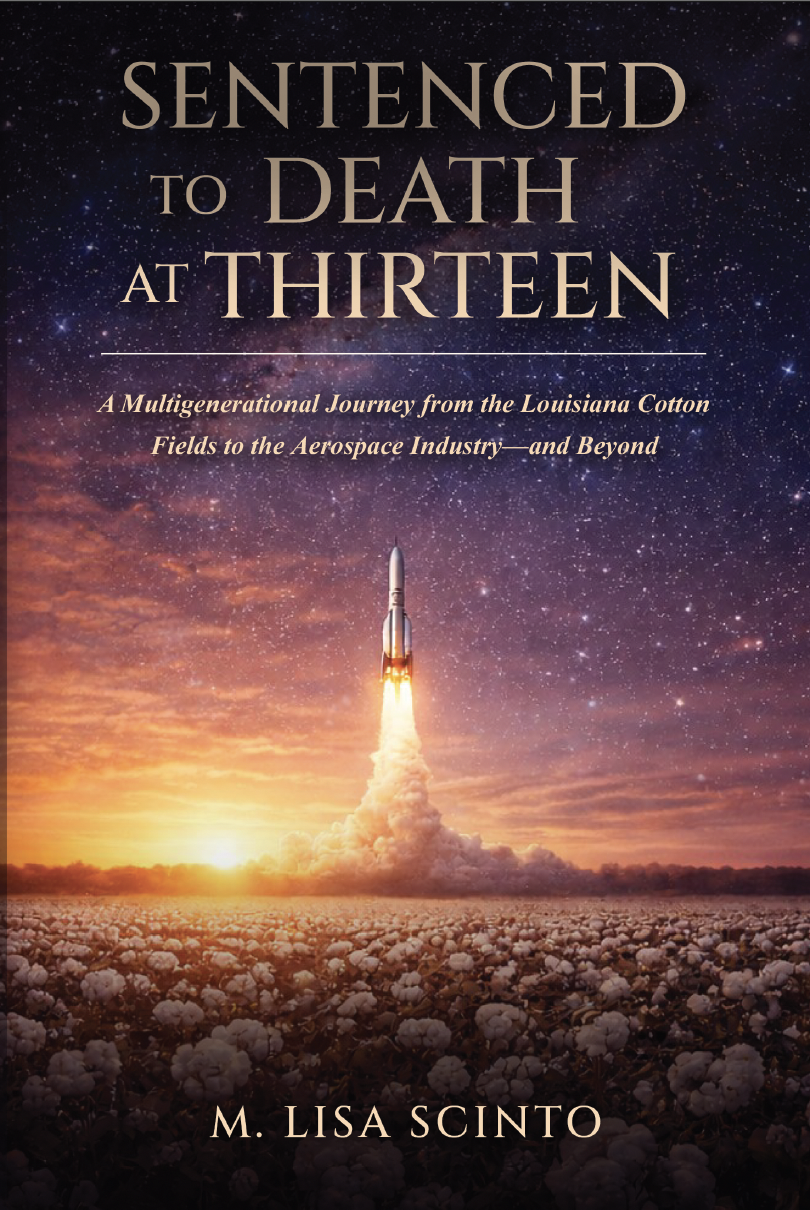
Sentenced to Death at Thirteen:
A Multigenerational Journey from the Louisiana Cotton Fields
to the Aerospace Industry—and Beyond

Overview
Sentenced to Death at Thirteen is a powerful work of narrative nonfiction that traces one family’s extraordinary journey from the Middle Passage through the aftermath of the Civil War, World War I internment camps in Canada, and Detroit’s industrial rise — ultimately reaching the forefront of the American aerospace industry. Spanning generations, it is a story of survival, resilience, and the enduring pursuit of opportunity across history.
When my father was just thirteen years old, he committed what was considered a crime in the Jim Crow South: he simply said hello to a White girl. In that era, even the smallest act of defiance could result in a death sentence. His parents put him and his two teenage brothers into an empty boxcar on a northbound train.
He was thirteen when they told him to leave — or die.
He ran.
And that decision changed everything that followed.
THE JOURNEY
This journey weaves through:
- The Middle Passage, enslavement, Reconstruction, and the aftermath of the Civil War
- Sharecropping, economic survival, and racial terror in the Jim Crow South
- Fleeing home and riding the rails in search of safety
- Underage military service during World War I as a guard in the Canadian Enemy Alien Internment Camps
- Detroit’s industrial rise and transformation
- The Civil Rights Movement
- Employment as a design engineer in the aerospace industry
- Educational advancement and leadership
WHAT THIS BOOK REVEALS
This is not a theoretical examination of history. It is a lived experience. It reveals:
- How racial violence shaped movement — and how resilience, education, and determination created new paths forward
- How courage can travel across generations
Why this book matters now
As debates over race, history, and education intensify, this book grounds us in memory and firsthand experience. It offers historical clarity without erasure — inviting reflection, understanding, and healing.
– M. Lisa Scinto